Hygiene
Hygiene in the genital area does not mean being “extra clean” or “perfectly groomed.” It is more about feeling good about your body and taking care of it. Sweat, body odors, and fluids are not flaws, but signs that your body is alive.
Often, less is more
Intimate hygiene
Genitals are very sensitive. Aggressive soaps, intimate sprays, or vaginal douches can irritate the skin. Daily washing with warm water is usually sufficient.
For people with a vulva, it is important to know that the vagina cleans itself. Discharge transports bacteria away and keeps the vaginal microenvironment in balance.
Vaginal microenvironment
Millions of bacteria normally ensure that the vaginal microenvironment remains slightly acidic (pH value approx. 3.8–4.5). This acidic environment protects against infections, ensuring well-being and that sexuality can be expressed freely.
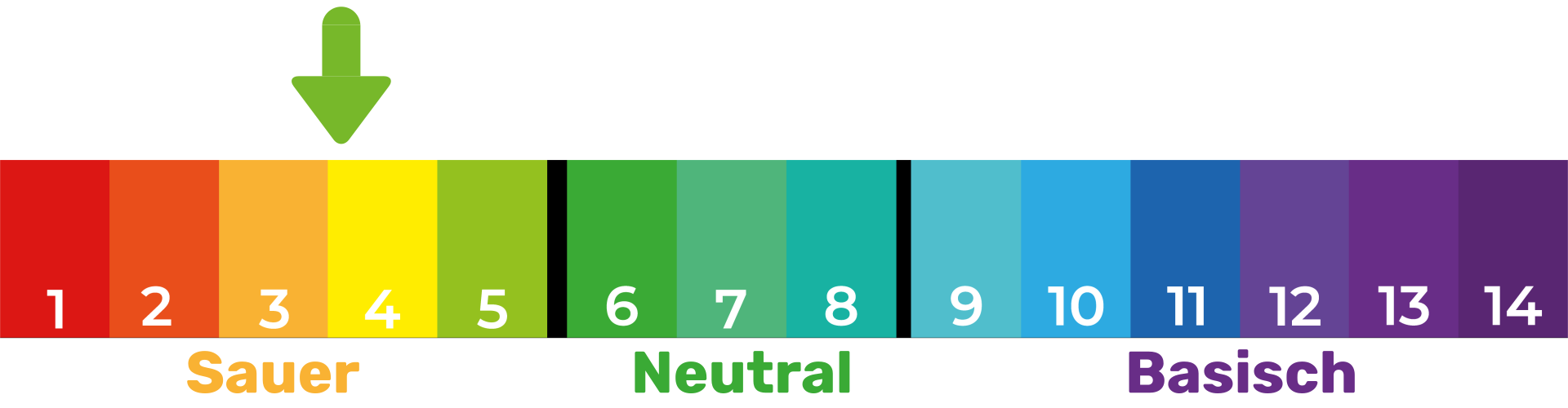
Typical signs of a healthy vaginal microenvironment:
No
noticeable color changes or lumps in the discharge
Signs of an imbalance in the vaginal microenvironment:
Such changes may be harmless, but they can also indicate infections.
So discharge is not disgusting, rather, it contributes to good health. It is not necessary at all to clean the vagina with water. For cleaning the vulva, warm water is sufficient .
Other care products such as soaps can irritate the vulva and are unnecessary. Cotton underwear is particularly breathable and therefore recommended.
For people with a penis and testicles, warm water is sufficient. It is particularly important to clean under the foreskin (if present), as smegma – a natural mixture of sebum and skin cells – can accumulate there. Other care products such as soaps can irritate the penis and testicles and are not necessary. Cotton underwear is particularly breathable and therefore recommended.
FYI: even after using the toilet, cleaning with water is cleaner than using toilet paper. In many countries and cultures, this is the norm. Bidets are used for this purpose, for example. In Germany, bidets are rather uncommon. However, methods such as handheld or portable bidets can replace them.
Hygiene & Sexuality
Sexuality is not “unhygienic.” Sweat, body odor, and bodily fluids are part of it. Many people even find them erotic. It is important that you and your partners feel comfortable and can talk openly about what you like.
Taking a quick shower or washing your hands before and after sex can prevent infections. Toys should also be thoroughly cleaned. Condoms and other barrier methods are not only a means of contraception, but also an important part of sexual health.
People with vaginas should use the bathroom (pee/urinate) no later than 30 minutes after penetrative sex, otherwise bacteria can ascend into the urethra and cause bladder infections.
Special hygiene rules apply to anal sex. Objects or body parts that have been inserted into the anal area are covered with many bacteria that are not visible. It is therefore important that these objects or body parts are washed thoroughly before they come into contact with the mouth or vagina. The anal area into which objects or body parts have been inserted should also be washed thoroughly. It is recommended to always use a condom, which should be disposed of afterwards.
Menstruation & Hygiene
During your period, there are many ways to collect menstrual blood: pads, tampons, cups, period underwear, sponges, or free bleeding. Anything is okay, the important thing is to change products regularly and to pay attention to cleanliness. You can find more information on this topic under menstruation & the menstrual cycle.
Still, many people consider menstruation to be “unclean.” This is a prejudice. Your period is a natural bodily process. Sex during menstruation is also perfectly possible if everyone involved feels comfortable with it.
Myth
Menstrual blood is “dirty."
False
Menstrual blood consists mainly of tissue, blood, and mucous membrane. It is not “dirty.”
Hair, sweat, and odors
Body hair is completely normal. Whether you shave, trim, or leave everything as it is is your personal decision, not society's.

Body odor
Smells are also individual and normal. Every body has its own smell, including the genital area. Mild odors are not a problem, but rather a product of your natural microbiome. However, if the smell suddenly changes significantly, or if itching, pain, or discharge occur, it is advisable to see a doctor.
Genital piercings are also not a problem for intimate hygiene if they are pierced correctly and have healed under hygienic conditions.
Hygiene & health
Hygiene in the genital area is not only about feeling good, but also about your health. If you take good care of your body, you can prevent infections and notice early on if something is wrong.
Regular preventive checkups, for example with a gynecologist or urologist, help to identify potential problems at an early stage. Sexually transmitted infections (STIs) can affect anyone, regardless of whether they have many or few partners. That is why open communication and barrier methods such as condoms or dental dams are an important part of sexual health.
Many problems can be treated effectively if you seek medical advice at an early stage. It is worth listening to your body and seeking support if something feels off or out of the ordinary.