Birth Control Methods
Note: The text refers to “people with a uterus” and “people with a penis.” Not everyone identifies with these terms. However, since contraception depends on sex organs rather than gender identity, we are striving to make the text as inclusive as possible.
Contraception
There are many ways to prevent pregnancy, and no single method works equally well for everyone.
Many people with a uterus can become pregnant at certain times during their cycle. To prevent this, there is a wide range of options, from hormonal to non-hormonal methods. The right method for you is highly individual and depends on many factors. Doctors and counseling centers can help you choose. Free counseling is available, for example, at profamilia.
To compare the effectiveness of different methods, we use the Pearl Index. It shows how many pregnancies within a year occur per 100 people with a uterus, despite using that form of contraception. A smaller number means the method is more effective.
Important to know: Manufacturers often state the value based on perfect use. In reality, user errors—such as using a condom of the wrong size—can reduce effectiveness. Experts, therefore, now also provide more realistic values that account for such errors (typical use value).
Some people combine methods for added safety, such as the pill with a condom. Starting at age 22, in Germany, you generally have to cover the cost of contraceptives yourself. Some organizations, such as profamilia and Walk In Ruhr provide condoms for free.
Time for Reflection
For people with a uterus
What birth control methods have you tried so far?
Do you know what birth control methods your friends use?
Do you or your health insurance plan cover the cost of birth control, or do you split the cost with your partner?
Time for Reflection
For people with a penis
Do you know how much birth control costs?
Do you know the side effects of the pill?
Do you know how your friends use birth control?
What method of birth control do you use?

Hormonal birth control methods
Hormonal contraceptives are currently only available to people with a uterus. They contain either a combination of estrogen and progestin or progestin alone. Their effects depend on the specific type of pill. All hormonal contraceptives prevent ovulation. Progestin-only pills have specific effects on the uterine lining and cervix.
Pros
- Highly reliable protection
- Can help relieve menstrual cramps and heavy bleeding
- Reduces the risk of ovarian, uterine, and colorectal cancer
- Can boost libido
- The combination pill can help reduce acne
AWMF. (2019). S3-Leitlinie Hormonelle Empfängnisverhütung. 4.2, 190. Registernummer 015 - 015.
Cons
- increased risk of deep vein thrombosis, cervical cancer, and depression (especially among young users)
Johansson, T., Larsen, S. V., Bui, M., Ek, W. E., Karlsson, T., & Johansson, Å. (2023). Population-based cohort study of oral contraceptive use and risk of depression. Epidemiology and Psychiatric Sciences, 32, e39. doi.org - may reduce libido
- over 40% of users report mood swings
- possible side effects: headaches, dizziness, nausea, breast tenderness
AWMF. (2019). S3-Leitlinie Hormonelle Empfängnisverhütung. 4.2, 190. Registernummer 015 - 015.
How to use and getting a prescription
All hormonal methods require a prescription. Health insurance companies in Germany cover the costs for individuals up to age 22. IUDs and implants are inserted by a doctor. Since every method has its pros and cons, it’s worth scheduling a personal consultation to find the right method for you.
Overview of hormonal contraceptives
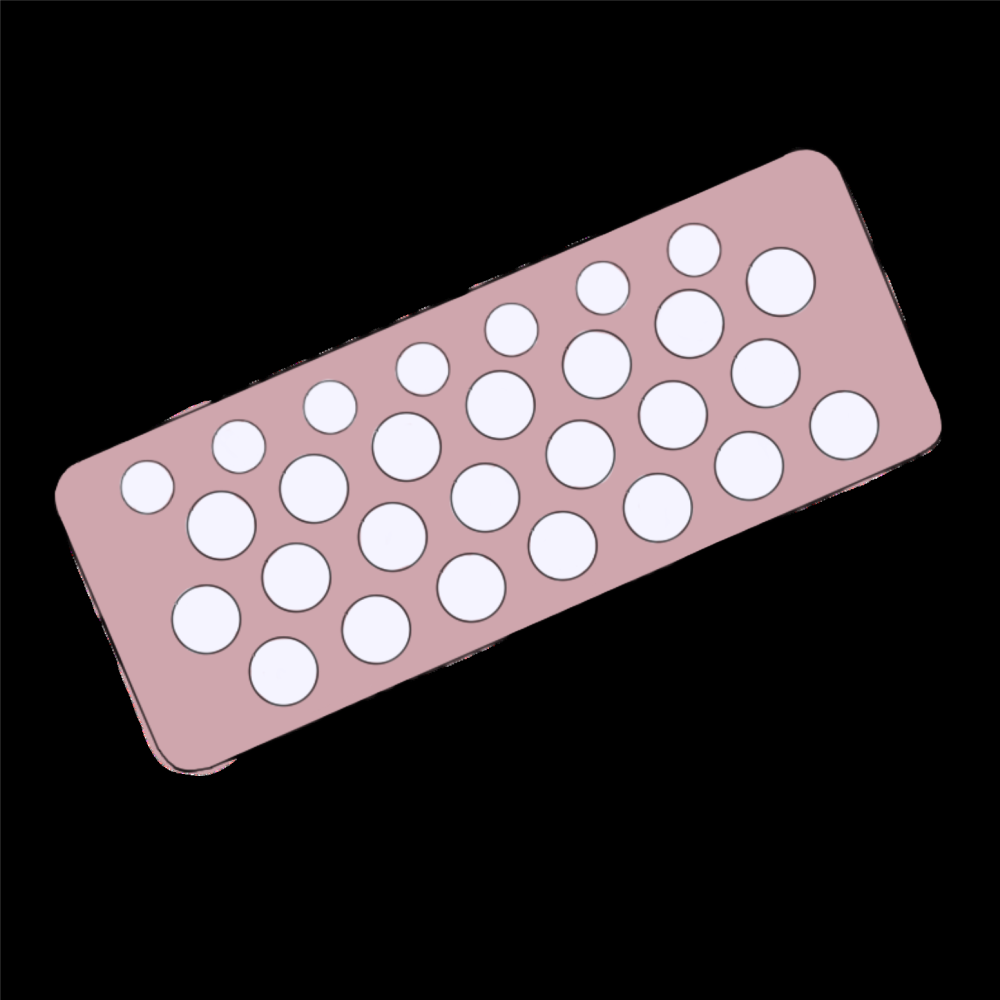
(Combination) birth control pill
Information
How to use: Take daily at the same time for 21 days, then take a 7-day break (menstrual period), or take continuously to prevent menstruation
Cost: approx. €20/month
Pearl Index: 0.3
Typical dosage: 3–9
Other: Effectiveness decreases if you have been vomiting or have diarrhea
Birth control implant

Information
How to use: A small implant is inserted into the upper arm; effective for 3 years
Cost: €300–450 (one-time fee) + approx. €40 for removal = €9.50–14 per month
Pearl Index: 0.1
Typical use: 0.1
Other: Periods often stop completely; spotting is common, especially immediately after insertion
Birth control shot
Information
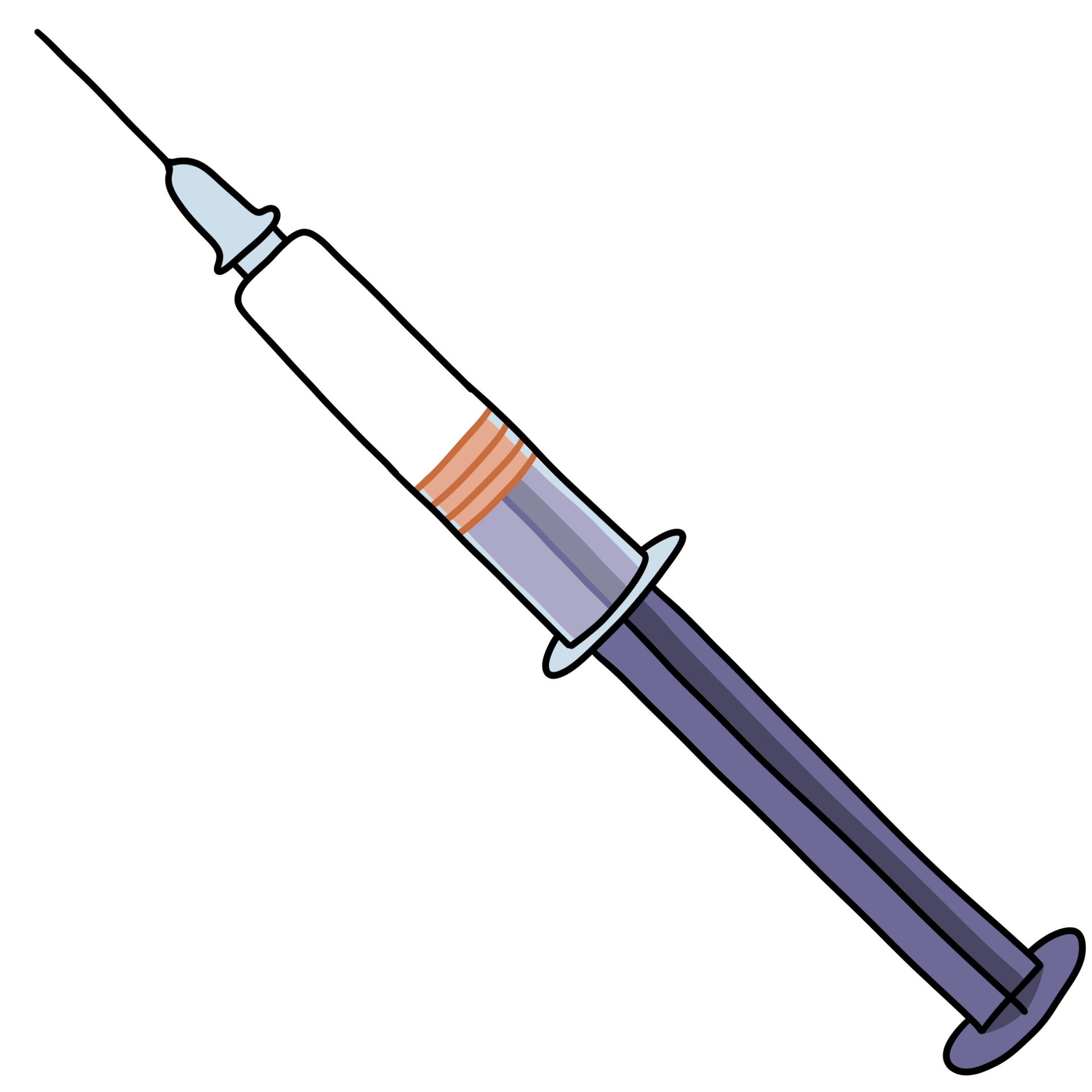
How to use: An injection every 3 months is administered by a doctor
Pearl Index: 0.2
Typical usage: 4
Other: Bleeding is often irregular or absent; side effects are more common; not recommended for women planning to become pregnant
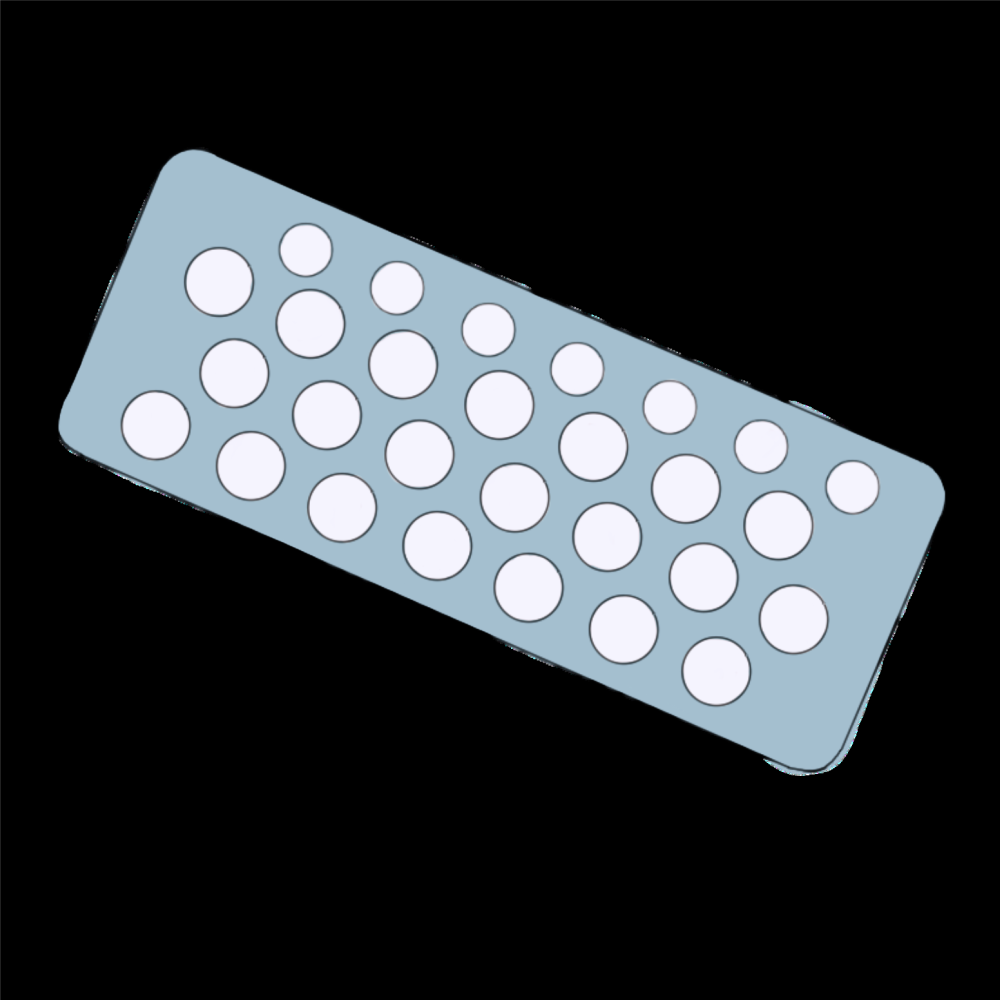
Progestin only pill (mini pill)
Information
How to use: Take at the same time every day, without a break
Cost: approx. €7–25 per month
Pearl Index: 0.3
Typical dosage: 3–9
Other: Effectiveness decreases if you are experiencing vomiting or diarrhea
Contraceptive ring

Information
How to use: Flexible ring; worn in the vagina for three weeks, followed by a break, if desired
Cost: approx. €12/month
Pearl Index: 0.3
Typical usage: 3–9
Other: Can be removed briefly, e.g., during sex
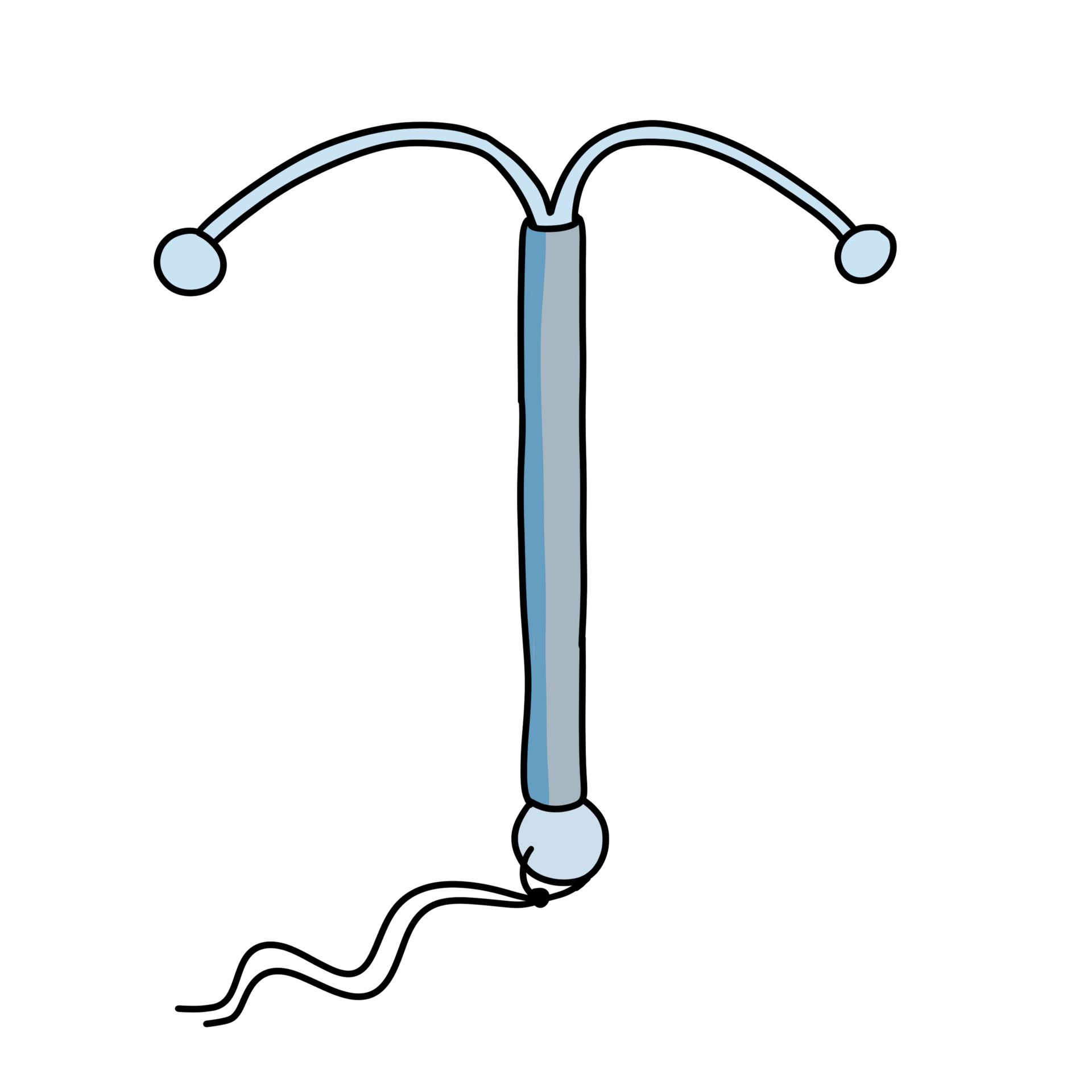
Hormonal IUD
Information
How to use: The intrauterine device (IUD) is inserted into the uterus; effective for 3–8 years
Cost: approx. €400 + €20–40/year for checkups = €14.50/month (3 years) to €7.50/month (8 years)
Pearl Index: 0.1
Typical use: 0.2
Other: Bleeding is often irregular or stops completely
Birth control patch

Information
How to use: A patch is applied to the skin for three weeks; followed by a break, if desired
Cost: approx. €13/month
Pearl Index: 0.3
Typical usage: 3–9
Other: Stays on while swimming, exercising, or in the sauna; not in common use anymore
-
-
You can find more information here:
to website -
-
You can find more information here:
Non-hormonal birth control methods
Non-hormonal methods rely on barrier methods, copper, or surgical procedures. With the exception of condoms, these methods are designed primarily for people with uteruses. Condoms (and male sterilization) are the only methods that do not place the responsibility solely on people with uteruses.
Barrier methods
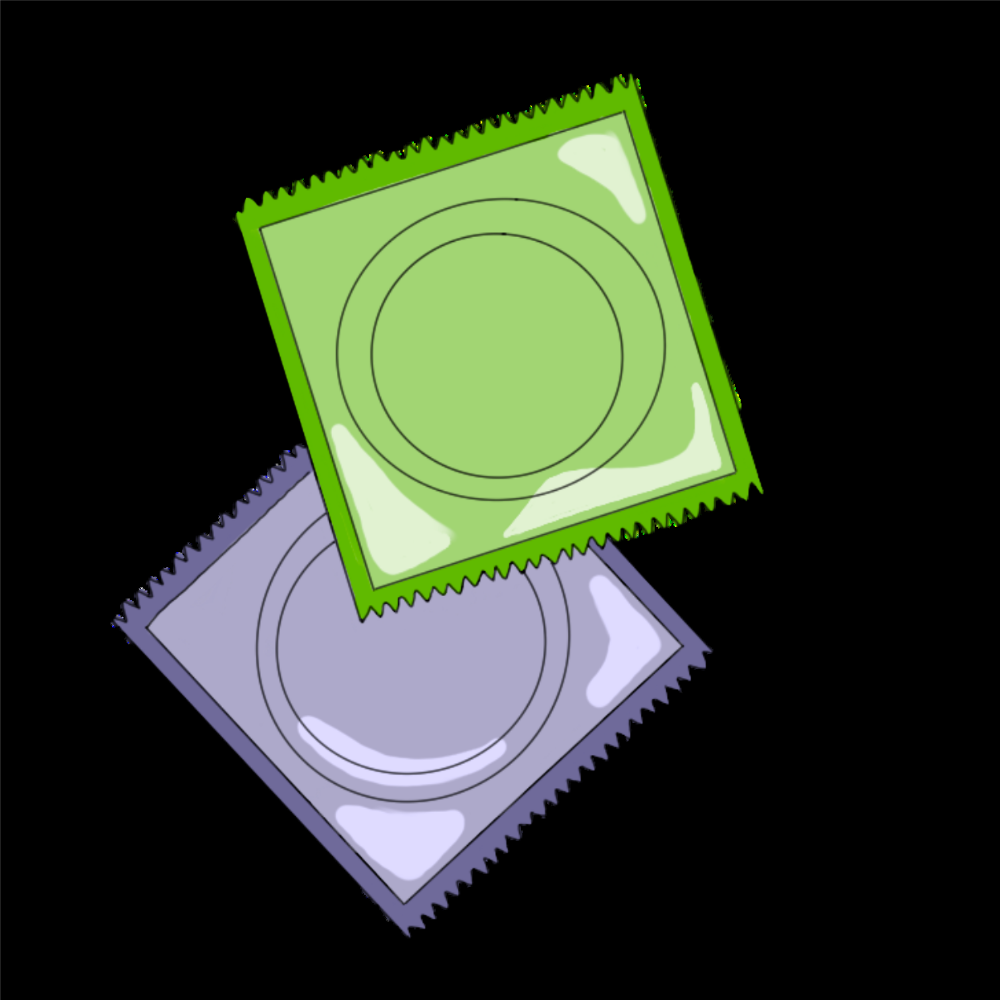
Condom
Information
What it is: A thin plastic or latex sheath that is pulled over the penis to collect semen
Cost: Starting at approx. €0.20 per piece
Pearl Index: 2
Typical use: 13
Other: Also available in latex-free versions; the only protection against sexually transmitted infections
Femidom (female/internal condom)

Information
What it is: A plastic sheath inserted into the vagina to catch sperm
Cost: Starting at approx. €2.30 per piece
Pearl Index: 5
Typical use: 21
Other: Also protects against STIs
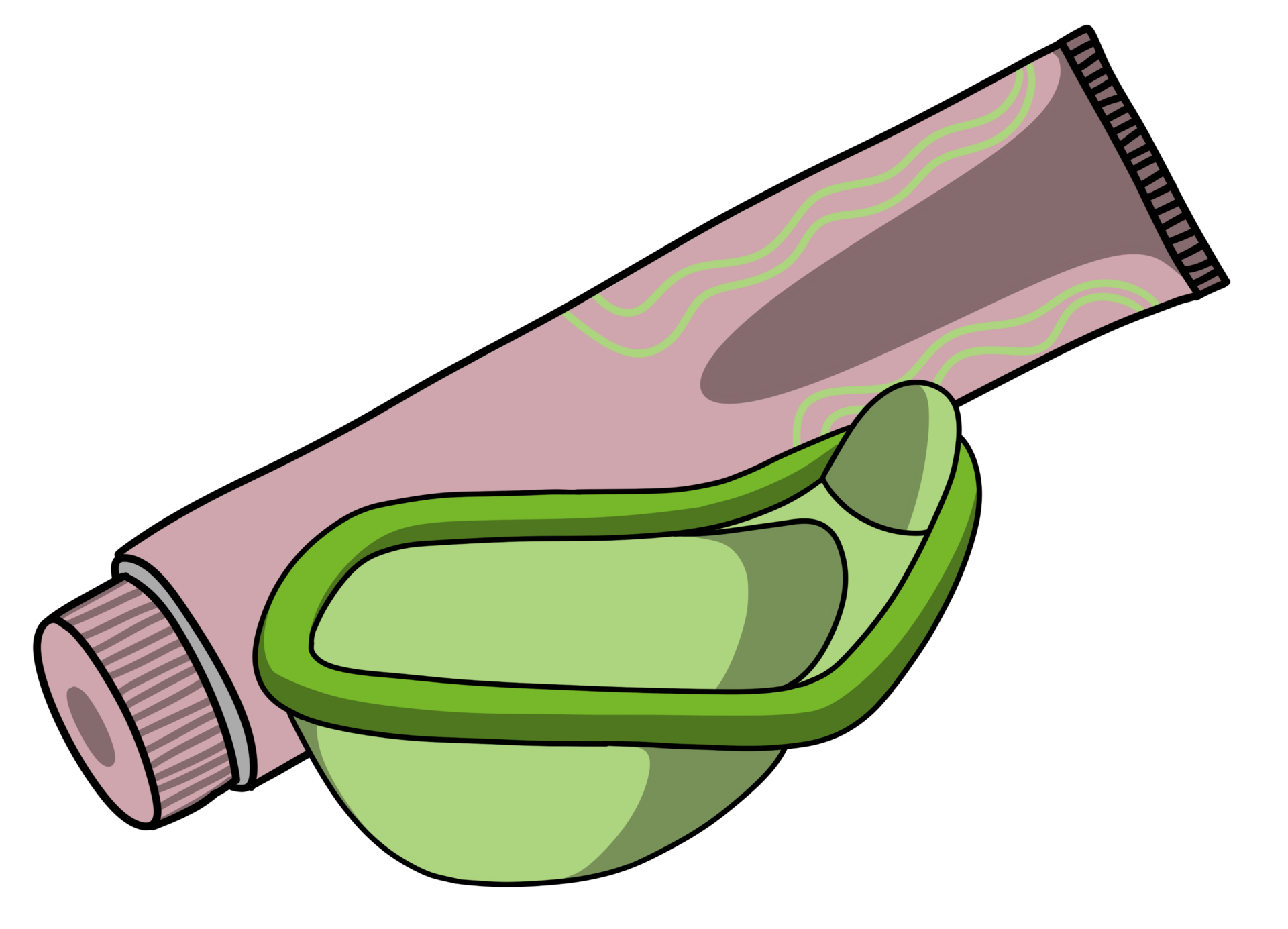
Diaphragm
Information
What it is/how to use: flexible silicone disc, custom-fitted; inserted into the vagina before sex, along with spermicidal gel; must remain in the vagina for at least 6 hours after sex; reusable
Cost: approx. €40–60 + approx. €10 / gel
Pearl Index: 4–14
Typical usage: 12–18
Copper methods
There are contraceptives that use copper.
Copper IUDs, chains, and balls, which are inserted by doctors, release small amounts of copper, which causes
- sperm to become less motile,
- the cervical mucus to become less hospitable to sperm,
- and implantation of the egg to be prevented.
The menstrual cycle remains normal, but periods may become heavier or more painful
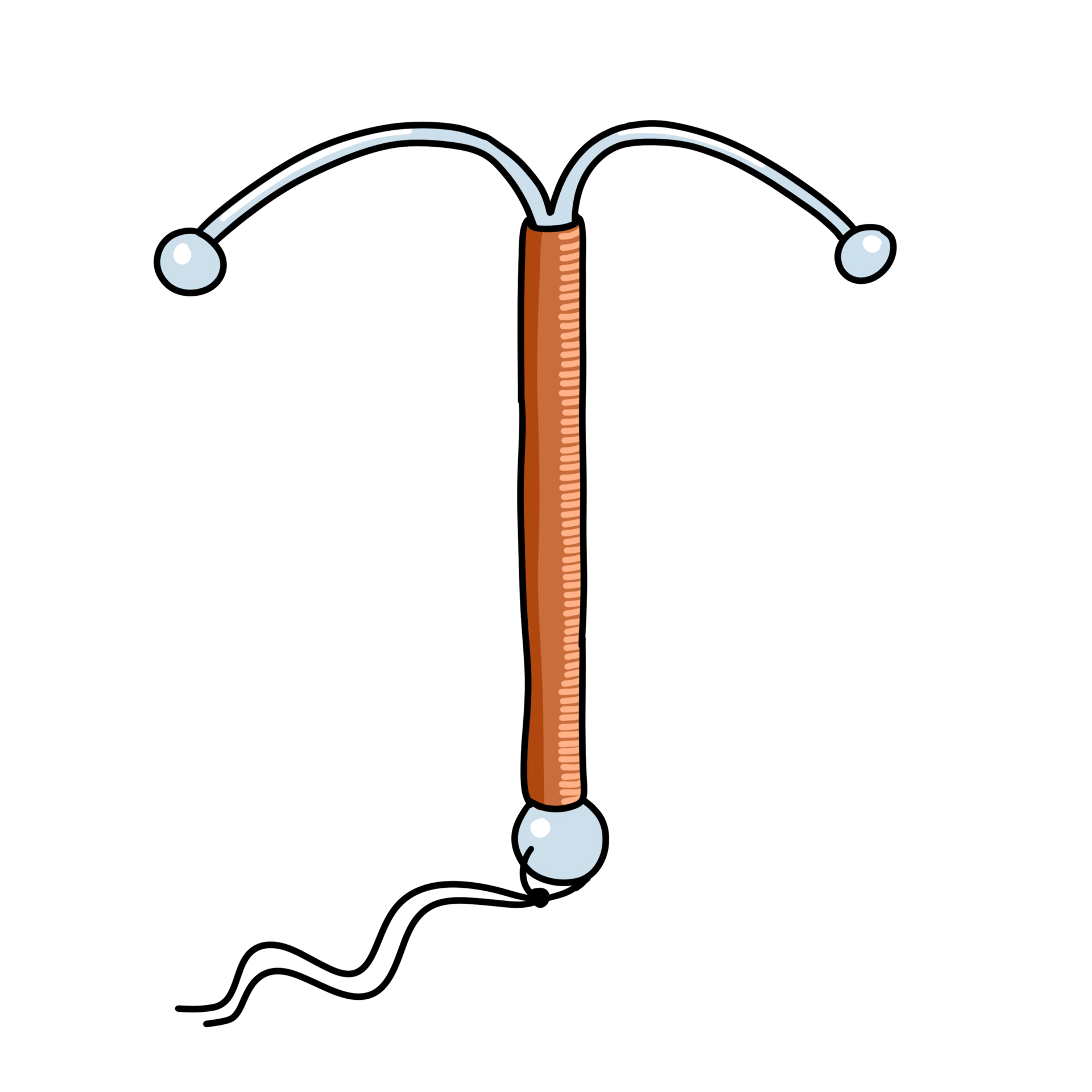
Copper IUD
Information
What it is: A T-shaped, plastic intrauterine device (IUD) wrapped in copper wire; effective for 3–10 years
Cost: €120–300 + €20–40 annually for checkups = approx. €4.50–12 per month
Pearl Index: 0.6
Typical use: 0.8
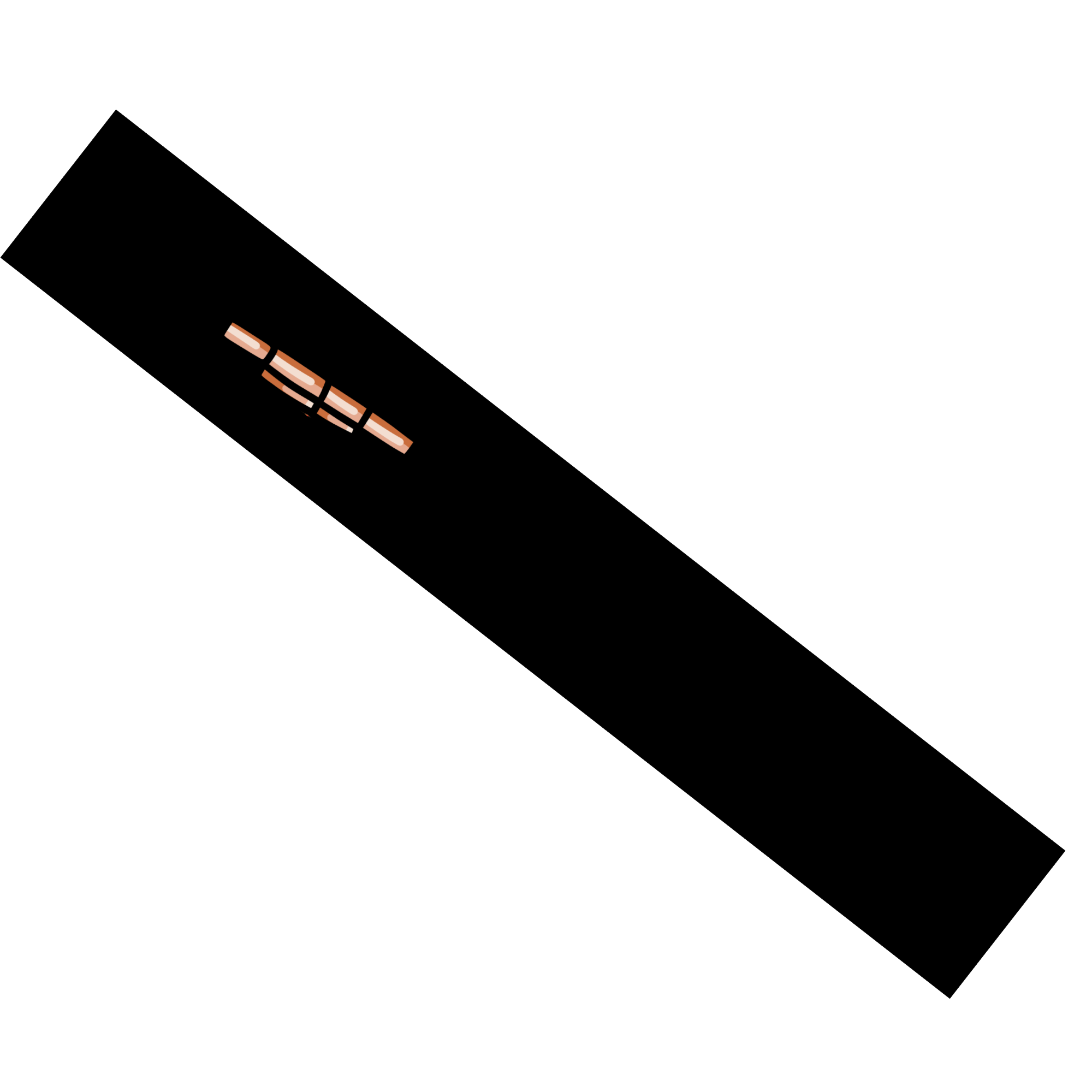
Copper chain
Information
What it is: Small copper cylinders attached to a string, anchored into the uterine wall; effective for up to 10 years
Cost: €250–300 + €20–40 annually = approx. €5.50–6 per month
Pearl Index: 0.6
Typical use: 0.8
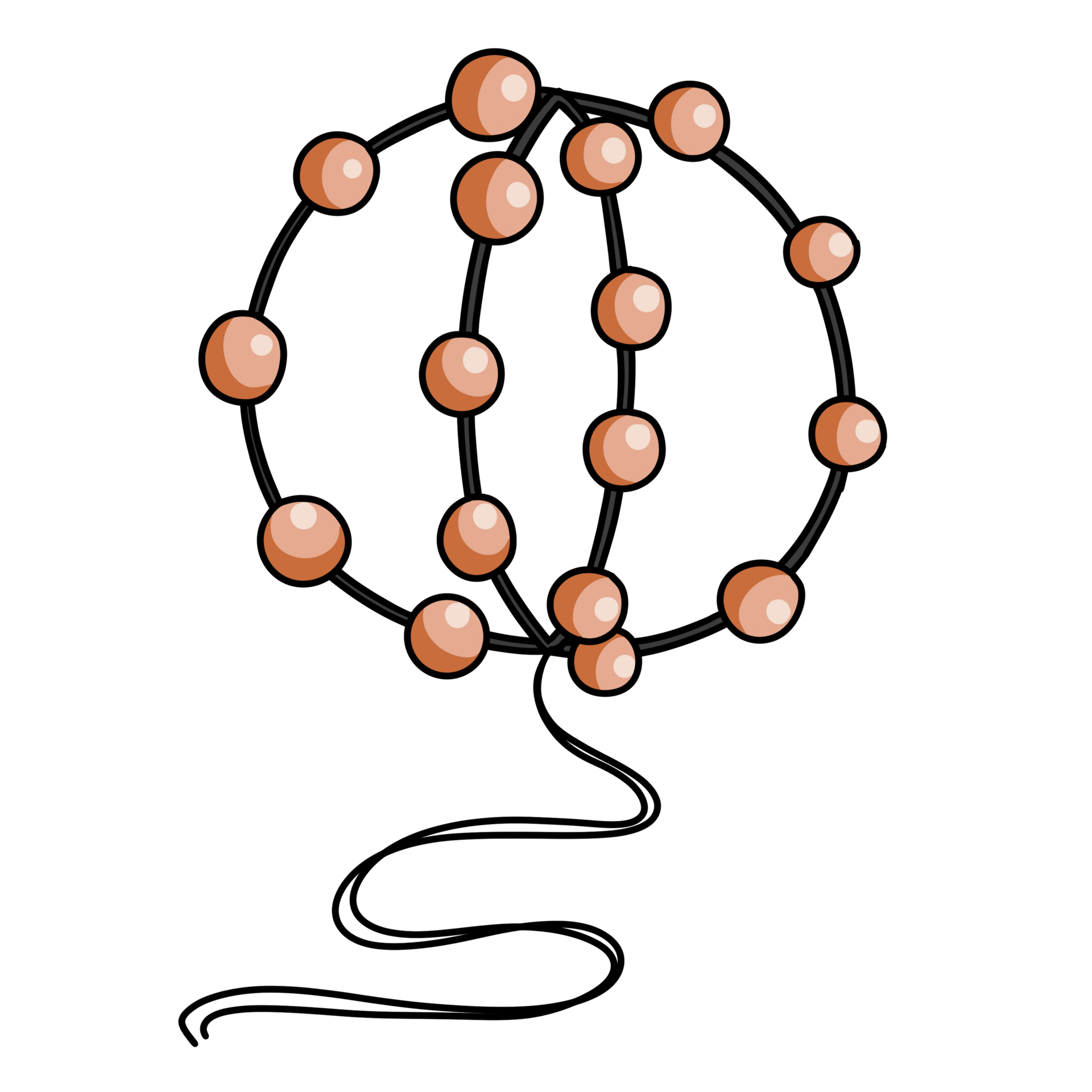
Copper ball
Information
What it is: A string that forms into a ball inside the uterus; effective for up to 5 years
Cost: €300–500 + €20–40 annually = approx. €8.50–12 per month
Pearl Index: unclear
Typical use: unclear
-
-
More information here:
to website -
-
More information here:
Coitus Interruptus ("withdrawal")
The well-known “withdrawal method” sounds practical, but it is not a method of contraception. Sperm can be present even in pre-ejaculate, and they can find their way to the egg.
Sterilization
A permanent solution for anyone who does not wish to have (more) children.
Sterilization for people with a penis
Information
Procedure: The vas deferens (sperm ducts) are surgically severed; outpatient procedure, approx. 30 minutes
Cost: €400–750 (one-time fee)
Pearl Index: 0.1
Typical application: 0.1
Other: no effect on erections or sensation; reversal (refertilization) possible in 90% of cases when performed by experienced surgeons; some even report positive effects on sex life
Sterilization for people with a uterus
Information
Procedure: Fallopian tubes are surgically blocked (tubal ligation) in approximately 15–30 minutes under general anesthesia; performed on an outpatient basis
Pearl Index: 0.5
Typical use: 0.5
Other: Ovaries are preserved, menstrual cycle continues; reversal (refertilization) is possible in 42–69% of cases; artificial insemination is still possible.
More information
-
-
Info: Sterilization for people with a penis
to website -
-
Info: Sterilization for people with a penis
-
-
Info: Sterilization for people with a uterus
to website -
-
Info: Sterilization for people with a uterus
-
-
Where to go: Sterilization for people with a uterus
to website -
-
Where to go: Sterilization for people with a uterus
Natural family planning
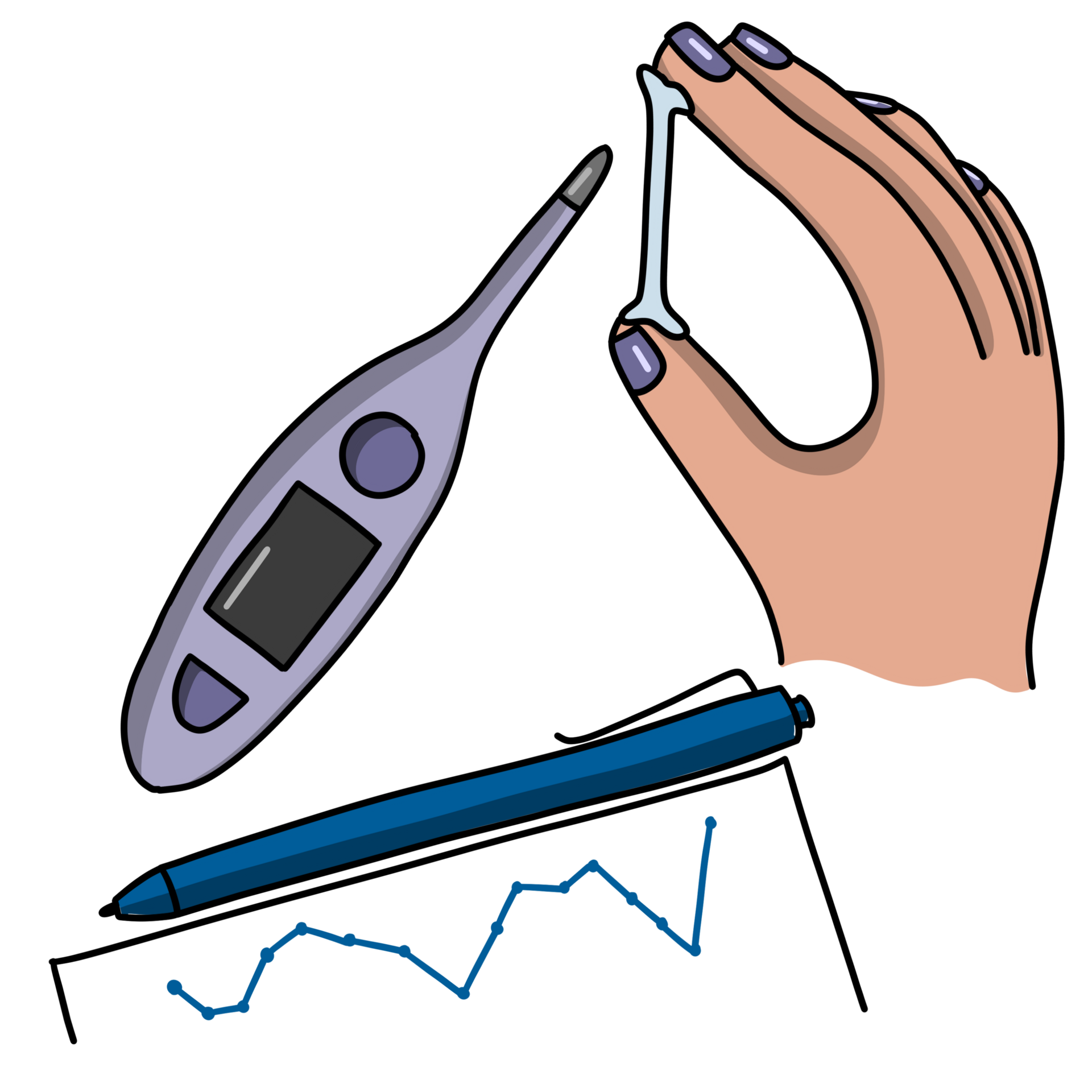
Natural family planning involves closely monitoring your own cycle. The most reliable method is the symptothermal method:
- Observe cervical mucus: it changes throughout the cycle and indicates when ovulation is about to occur.
- Measure your body temperature: every morning at the same time; after ovulation, it rises by about 0.5 degrees.
Combining these observations makes the approach more reliable. Many people also use menstrual cycle apps to track their data.
Natural family planning
Information
Pearl Index: 0.4
Typical use: 2
Advantages: no side effects, improved body awareness
Disadvantages: on fertile days, an additional method is needed, e.g., condoms
-
-
More information
to website -
-
More information
Emergency contraception
If your birth control method failed (e.g., a condom broke, you missed a pill), there are two options
Morning after pill
Information
Use: as soon as possible, preferably within 12 hours; available over the counter at pharmacies
Cost: €15–30
How it works: contains hormones that delay ovulation, preventing sperm from reaching the egg
Emegency IUD insertion
Information
Use: Can be inserted up to 5 days after unprotected sex
Cost: €120–300 + €20–40 annually for check-ups
How it works: Prevents implantation of a fertilized egg and subsequently serves as a long-term contraceptive
Contraception – a men's issue too
For people with penises, there have been only two options until now: condoms or vasectomy. This often places the responsibility on people with uteruses. At the same time, there is a growing desire for greater equality—from both sides.
That's why researchers are working on new approaches:
A birth control pill for men, which has already been tested effectively in studies involving mice and primates
Ultrasound treatments for the testicles that could temporarily inhibit sperm production
These methods aren't yet available for general use, but development is underway and could lead to a more equitable distribution of responsibility in the future.
Contraception for trans* and non-binary people
Trans* and non-binary people also need contraception, even if they are undergoing hormone therapy.
People with penises can produce sperm even while taking estrogen.
People with uteruses can still ovulate while taking testosterone.
This means: non-hormonal methods such as condoms, IUDs, or diaphragms work as usual. Hormonal methods can also be used—which ones are appropriate depends on the individual's organs, not on their gender identity. Seeking medical advice is particularly important here
For trans* men and non-binary people with a uterus, hormonal contraception can also be helpful to stop periods or make them more regular.
Important: Hormonal birth control is not a substitute for hormone therapy for trans* women. The estrogen used differs in form and dosage.